Warning: Cannot modify header information - headers already sent by (output started at /home/u817000348/domains/debasishfire.com/public_html/wp-content/themes/numerique-child/functions.php:109) in /home/u817000348/domains/debasishfire.com/public_html/wp-includes/feed-rss2.php on line 8
Debasish Fire Protection https://debasishfire.com Sat, 07 Mar 2026 06:38:12 +0000 en-US hourly 1 https://wordpress.org/?v=6.8.9 https://debasishfire.com/wp-content/uploads/2023/04/fire-favicone.webp Debasish Fire Protection https://debasishfire.com 32 32 Commercial and Industrial https://debasishfire.com/uncategorized/the-importance-of-fire-safety-planning-for-commercial-and-industrial-facilities/ https://debasishfire.com/uncategorized/the-importance-of-fire-safety-planning-for-commercial-and-industrial-facilities/#respond Sat, 24 Jan 2026 11:29:45 +0000 https://debasishfire.com/?p=991064

The Importance of Fire Safety Planning for Commercial and Industrial Facilities

Fire safety planning is one of the most important responsibilities for any commercial or industrial facility. While installing fire protection systems is essential, having a proper fire safety plan ensures that these systems are used effectively during emergencies. A fire safety plan prepares people to respond correctly and calmly when a fire incident occurs.
Many fire accidents become serious not because systems fail, but because people do not know what to do. Fire safety planning focuses on awareness, preparation, and coordination so that damage, panic, and confusion can be avoided.

Understanding Fire Risks in Work Environments

Every workplace has different types of fire risks depending on its operations. Offices face risks from electrical equipment, server rooms, and air-conditioning systems. Factories and warehouses face higher risks due to machinery, chemicals, flammable materials, and heavy power usage.
Identifying these risks is the first step in fire safety planning. Once the risks are known, suitable fire protection systems and safety procedures can be designed according to the specific needs of the facility.
This continuous monitoring helps in detecting fire even before it becomes visible, which is extremely important in closed spaces where smoke and heat can build up quickly.

Role of Fire Protection Systems in Safety Planning

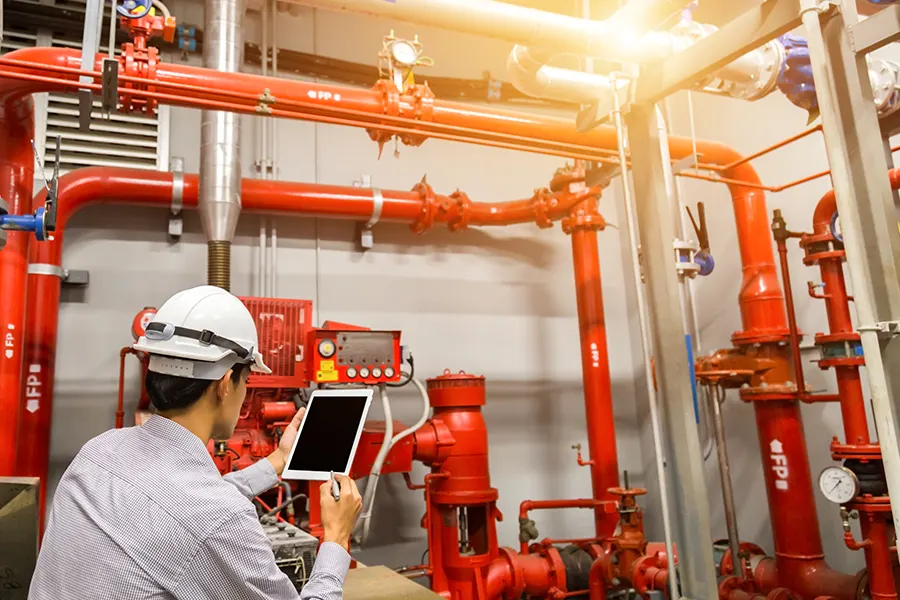
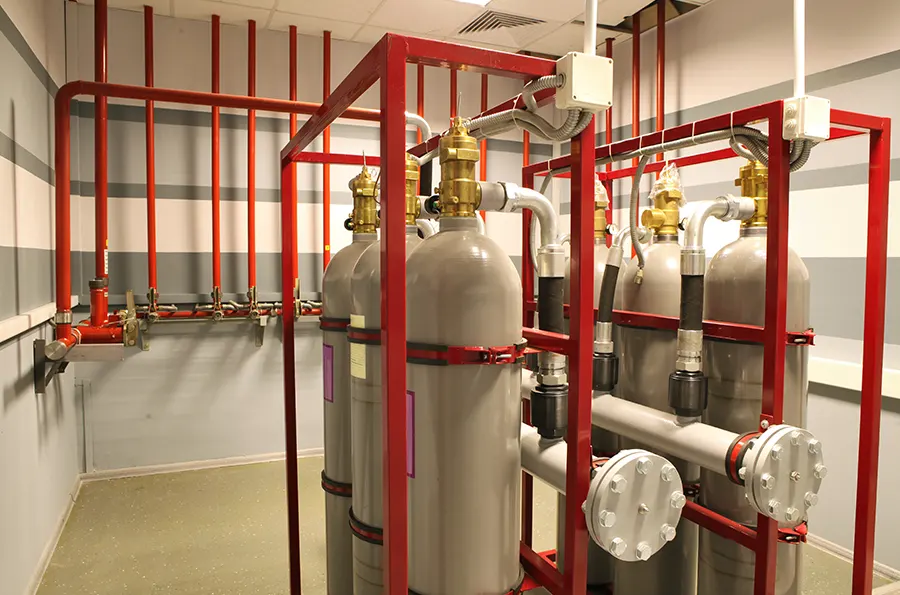
Fire protection systems play a central role in any fire safety plan. Systems like fire alarms, sprinklers, wet risers, foam systems, and HVWS systems provide technical support during fire emergencies.
In large workplaces, fire alarm systems are connected with public address systems, emergency exit lights, and fire control rooms. This creates an organized evacuation process and reduces confusion and panic during emergencies.
Fire alarm systems also notify security teams and fire departments, ensuring faster response and professional firefighting support.

Fire Safety Compliance and Legal Responsibility

In most countries, fire detection and alarm systems are mandatory for commercial and industrial buildings. Government authorities and safety organizations require workplaces to follow strict fire safety norms. Installing proper fire alarm systems helps organizations stay compliant with safety regulations and avoid legal penalties. More importantly, it shows that the company is responsible and serious about employee safety.
Fire safety planning is not only about safety, it is also about legal responsibility. Most commercial and industrial buildings are required by law to maintain fire safety systems and emergency procedures. Authorities may conduct inspections to ensure compliance with safety standards. A well-documented fire safety plan helps organizations avoid penalties and ensures that all safety measures are in place.
A safe workplace also improves employee confidence and productivity, as people feel more secure working in an environment that prioritizes safety.

Long-Term Impact of Fire Safety Planning

Fire safety planning has long-term benefits for businesses. It reduces the risk of major fire incidents, protects employees, and minimizes financial losses. It also improves organizational reputation and builds trust among clients, partners, and stakeholders. Companies that prioritize safety are seen as professional, responsible, and reliable.
A proper fire protection system reduces insurance risks, lowers recovery costs, and helps businesses resume operations quickly after an incident. It also builds trust among employees, clients, and stakeholders by showing that the organization takes safety seriously.
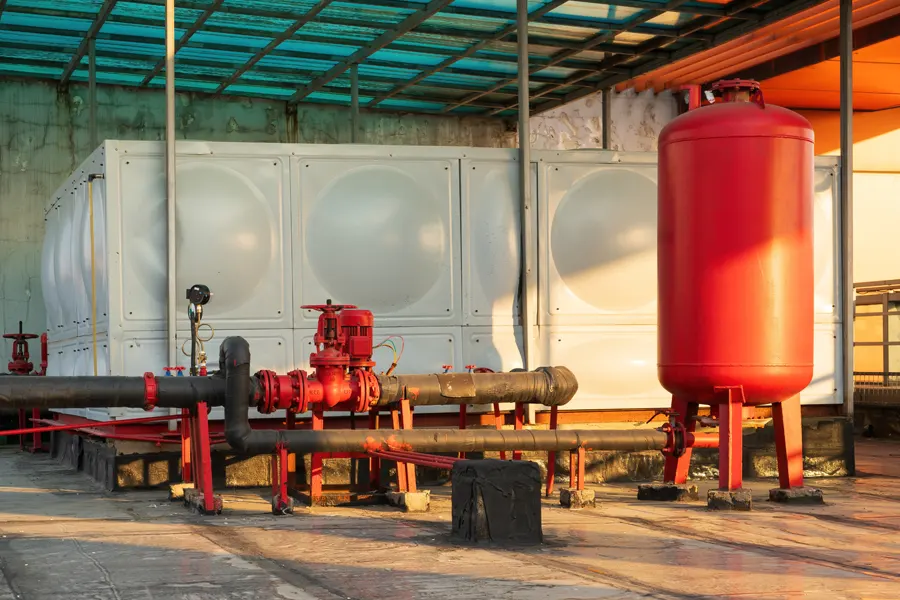
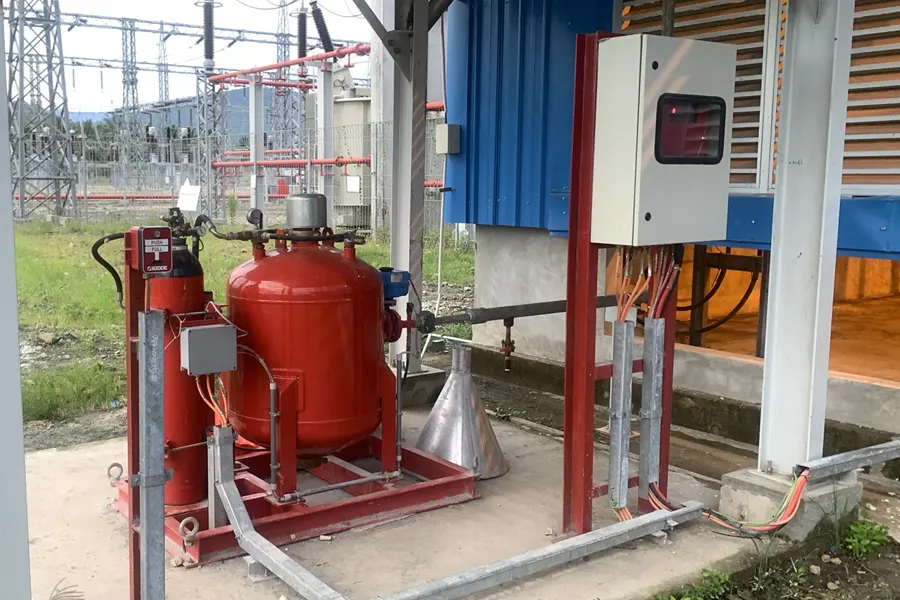
Industrial environments require specialized fire protection systems because of the presence of flammable materials, chemicals, high voltage equipment, and heavy machinery. Normal fire protection methods are often not sufficient for such high-risk areas. Foam and emulsion fire systems are used in oil refineries, chemical plants, fuel storage areas, and factories. These systems work by creating a thick foam layer over the fire, which cuts off oxygen and stops the flames effectively. HVWS or High Velocity Water Spray systems are used in power plants and transformer areas. These systems use high-pressure water to control intense fires and cool down equipment, preventing further damage and explosion risks.

Conclusion

Fire safety planning is as important as installing fire protection systems. It ensures that people, processes, and technology work together during emergencies. With proper planning, training, and modern fire protection systems, commercial and industrial facilities can significantly reduce fire risks and create a safer environment for everyone.
]]>
https://debasishfire.com/uncategorized/the-importance-of-fire-safety-planning-for-commercial-and-industrial-facilities/feed/ 0
Essential for Workplace Safety https://debasishfire.com/uncategorized/why-fire-detection-and-alarm-systems-are-essential-for-workplace-safety/ https://debasishfire.com/uncategorized/why-fire-detection-and-alarm-systems-are-essential-for-workplace-safety/#respond Sat, 24 Jan 2026 11:22:05 +0000 https://debasishfire.com/?p=991059

Why Fire Detection and Alarm Systems Are Essential for Workplace Safety

Fire detection and alarm systems are one of the most critical parts of any fire protection setup. In workplaces such as offices, factories, warehouses, hospitals, and commercial buildings, fire risks are always present due to electrical equipment, machines, and human activity. Without an early warning system, even a small fire can spread quickly and cause serious damage.
Fire detection and alarm systems are designed to identify signs of fire at the earliest possible stage and alert people immediately. These systems help in preventing panic, ensuring safe evacuation, and allowing emergency teams to take quick action before the situation becomes uncontrollable.

How Fire Detection Systems Identify Fire Risks

Fire detection systems use different types of sensors to monitor the environment continuously. Smoke detectors sense smoke particles in the air, heat detectors react to sudden temperature rise, and flame detectors identify visible flames.
These detectors are installed in strategic locations across the building, such as corridors, server rooms, production areas, and storage spaces. As soon as any abnormal condition is detected, the system sends a signal to the main control panel, which activates alarms and emergency responses.
This continuous monitoring helps in detecting fire even before it becomes visible, which is extremely important in closed spaces where smoke and heat can build up quickly.

Role of Fire Alarm Systems During Emergencies

Fire alarm systems play a crucial role during fire emergencies by alerting everyone inside the building. The loud sirens and flashing lights immediately inform people about danger and guide them to evacuate safely.
In large workplaces, fire alarm systems are connected with public address systems, emergency exit lights, and fire control rooms. This creates an organized evacuation process and reduces confusion and panic during emergencies.
Fire alarm systems also notify security teams and fire departments, ensuring faster response and professional firefighting support.

Workplace Safety and Legal Compliance

In most countries, fire detection and alarm systems are mandatory for commercial and industrial buildings. Government authorities and safety organizations require workplaces to follow strict fire safety norms. Installing proper fire alarm systems helps organizations stay compliant with safety regulations and avoid legal penalties. More importantly, it shows that the company is responsible and serious about employee safety.
Wet riser systems provide a permanent water supply on every floor of the building. During a fire emergency, firefighters can directly connect their hoses and start firefighting without wasting time searching for water sources. This makes fire control faster and more efficient, especially in tall structures where access is difficult.
A safe workplace also improves employee confidence and productivity, as people feel more secure working in an environment that prioritizes safety.

Integration with Other Fire Protection Systems

Installing a fire protection system is not just about following safety laws, it is also a smart long-term investment. Fire accidents can cause huge financial losses, including damage to buildings, machines, stock, and business operations.
A proper fire protection system reduces insurance risks, lowers recovery costs, and helps businesses resume operations quickly after an incident. It also builds trust among employees, clients, and stakeholders by showing that the organization takes safety seriously.
Industrial environments require specialized fire protection systems because of the presence of flammable materials, chemicals, high voltage equipment, and heavy machinery. Normal fire protection methods are often not sufficient for such high-risk areas. Foam and emulsion fire systems are used in oil refineries, chemical plants, fuel storage areas, and factories. These systems work by creating a thick foam layer over the fire, which cuts off oxygen and stops the flames effectively. HVWS or High Velocity Water Spray systems are used in power plants and transformer areas. These systems use high-pressure water to control intense fires and cool down equipment, preventing further damage and explosion risks.

Conclusion

Investing in a reliable fire detection and alarm system provides long-term benefits for any organization. These systems reduce the risk of major fire incidents, lower insurance costs, and protect valuable assets such as machines, data, and infrastructure. They also help in maintaining business continuity by minimizing downtime after fire incidents. Most importantly, they save lives by providing early warning and enabling quick evacuation.
]]>
https://debasishfire.com/uncategorized/why-fire-detection-and-alarm-systems-are-essential-for-workplace-safety/feed/ 0
Understanding Fire Protection https://debasishfire.com/uncategorized/understanding-fire-protection-systems-in-modern-buildings/ https://debasishfire.com/uncategorized/understanding-fire-protection-systems-in-modern-buildings/#respond Sat, 24 Jan 2026 11:13:56 +0000 https://debasishfire.com/?p=991053

Understanding Fire Protection Systems in Modern Buildings

Fire protection systems are one of the most important safety requirements for any commercial or industrial building. With the increasing use of electrical equipment, heavy machinery, and complex infrastructure, the chances of fire accidents have become much higher than before. Even a small fire incident can lead to serious damage, loss of property, and risk to human life if it is not controlled at the right time.
A fire protection system is designed to detect fire at an early stage, alert people inside the building, and control or suppress the fire before it spreads. These systems help in creating a safe environment for employees, visitors, and residents, and also ensure that the building follows safety regulations and standards.

How Fire Sprinkler Systems Work in Real-Life Situations

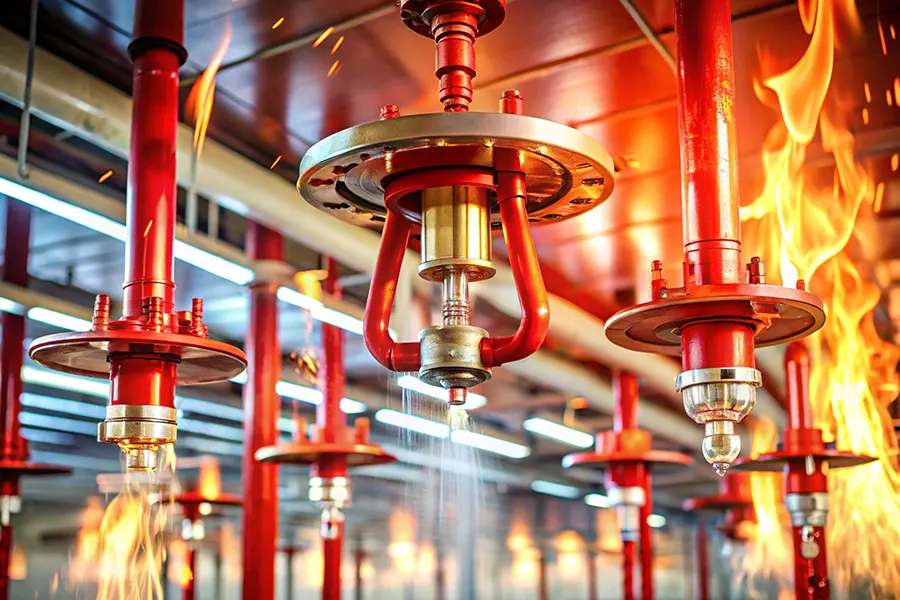
Fire sprinkler systems are automatic fire suppression systems that activate when the surrounding temperature rises beyond a certain limit. Each sprinkler head works independently, which means only the area affected by fire gets water, not the entire building.
In real-life situations, sprinkler systems play a very important role because they react much faster than humans. When a fire starts, sprinklers immediately release water and reduce the heat, slowing down the fire and preventing it from spreading to other rooms or floors. This quick response helps in minimizing damage and gives people enough time to evacuate safely.
Sprinkler systems are commonly installed in offices, shopping malls, hotels, warehouses, hospitals, and residential complexes because they provide continuous protection without requiring manual operation.

Importance of Early Fire Detection and Alarm Systems

Fire detection and alarm systems are the first line of defense in any fire protection setup. These systems constantly monitor the environment using smoke detectors, heat sensors, and flame detectors.
When smoke or abnormal heat is detected, the system triggers loud alarms and warning signals throughout the building. This early alert is extremely important because it allows people to take action immediately. In many cases, early detection can completely prevent a major fire disaster by enabling quick evacuation and timely firefighting response.
Modern fire alarm systems are also integrated with sprinklers, emergency lights, and control panels, making the entire fire protection system more effective and reliable.

Fire Safety Requirements in High-Rise and Large Buildings

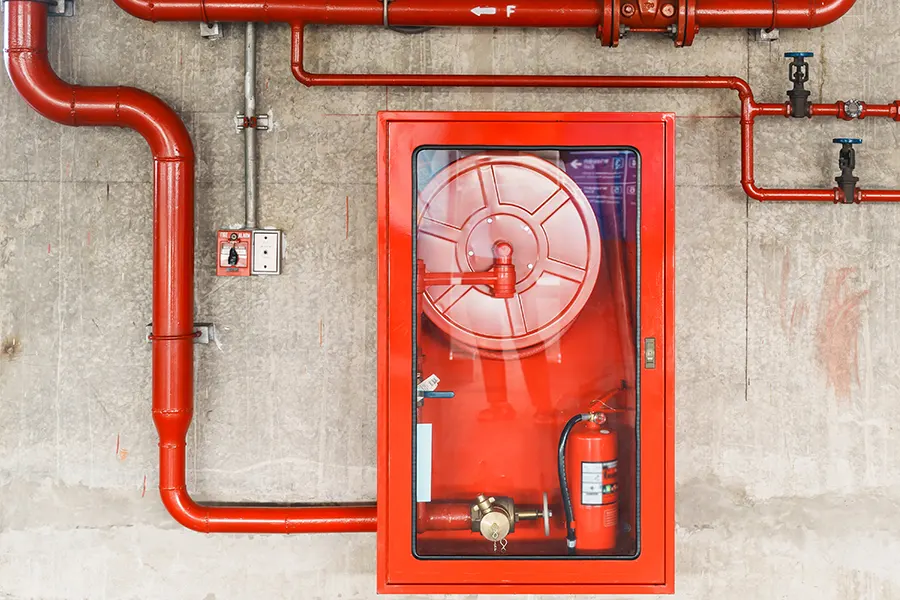
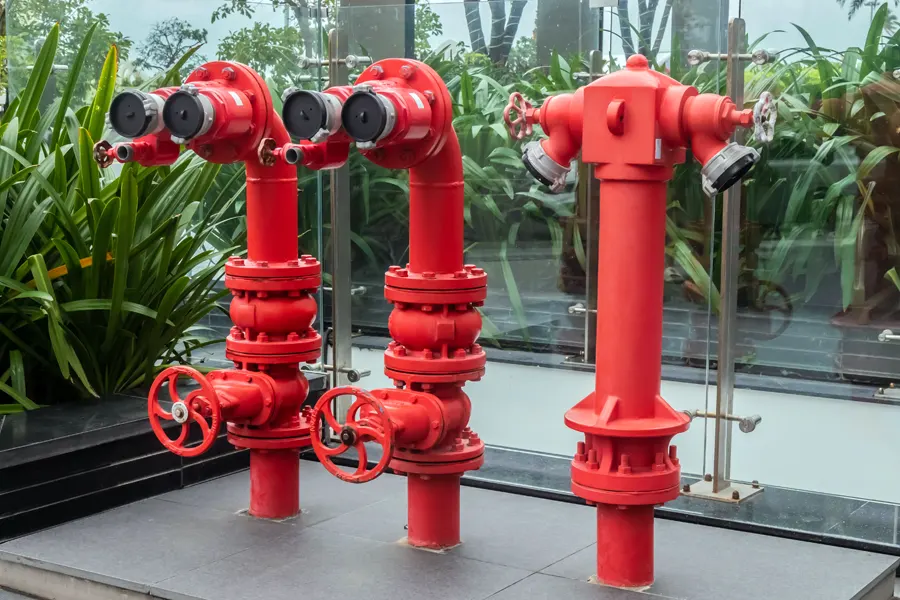
High-rise buildings and large commercial complexes face higher fire risks due to large occupancy, complex layouts, and limited exit routes. In such buildings, systems like wet risers, fire hydrants, and hose reels are essential.
Wet riser systems provide a permanent water supply on every floor of the building. During a fire emergency, firefighters can directly connect their hoses and start firefighting without wasting time searching for water sources. This makes fire control faster and more efficient, especially in tall structures where access is difficult.
These systems are mandatory in most high-rise buildings as per safety regulations and play a critical role in emergency fire response.

Industrial Fire Protection and Advanced Suppression Systems

Installing a fire protection system is not just about following safety laws, it is also a smart long-term investment. Fire accidents can cause huge financial losses, including damage to buildings, machines, stock, and business operations.
A proper fire protection system reduces insurance risks, lowers recovery costs, and helps businesses resume operations quickly after an incident. It also builds trust among employees, clients, and stakeholders by showing that the organization takes safety seriously.
Industrial environments require specialized fire protection systems because of the presence of flammable materials, chemicals, high voltage equipment, and heavy machinery. Normal fire protection methods are often not sufficient for such high-risk areas. Foam and emulsion fire systems are used in oil refineries, chemical plants, fuel storage areas, and factories. These systems work by creating a thick foam layer over the fire, which cuts off oxygen and stops the flames effectively. HVWS or High Velocity Water Spray systems are used in power plants and transformer areas. These systems use high-pressure water to control intense fires and cool down equipment, preventing further damage and explosion risks.

Conclusion

Fire protection systems are no longer optional in today’s modern world. Whether it is a commercial building, industrial unit, or residential complex, every structure needs a proper fire safety plan.With advanced fire detection, alarm, and suppression systems, fire risks can be controlled effectively. A well-designed fire protection system ensures safety, compliance, and peace of mind for everyone associated with the building.
]]>
https://debasishfire.com/uncategorized/understanding-fire-protection-systems-in-modern-buildings/feed/ 0
Protection System Important https://debasishfire.com/uncategorized/fire-protection-system-and-why-it-is-important/ https://debasishfire.com/uncategorized/fire-protection-system-and-why-it-is-important/#respond Sat, 24 Jan 2026 10:55:37 +0000 https://debasishfire.com/?p=991042

What Is a Fire Protection System and Why It Is Important?

A Fire Protection System is a complete safety solution designed to detect fire, control it, and reduce damage to life and property. These systems are installed in residential buildings, commercial complexes, factories, warehouses, hospitals, and public places to ensure safety during fire emergencies.
Fire accidents can happen anytime due to electrical faults, gas leakage, overheating equipment, or human mistakes. Without a proper fire protection system, even a small fire can turn into a major disaster within a few minutes. That is why fire protection systems are considered one of the most important safety requirements for any type of building.

What Is Included in a Fire Protection System?

A fire protection system is not just a single device. It is a combination of multiple systems that work together to detect fire, alert people, and control the spread of flames. These systems include fire sprinklers, fire alarms, detection sensors, wet riser systems, foam systems, and high velocity water spray systems.
Each system plays an important role in fire safety. While detection systems identify the fire at an early stage, suppression systems help in controlling and extinguishing the fire before it spreads.

Fire Sprinkler and Detection Systems

Fire sprinkler systems are automatic systems that release water when high temperature is detected. These systems are widely used in offices, malls, hotels, hospitals, and warehouses. Sprinklers help control fire instantly and prevent it from spreading to other areas.
Fire detection systems include smoke detectors, heat detectors, and flame detectors. These devices sense fire and trigger alarms to alert people inside the building. Early detection gives enough time for safe evacuation and reduces the risk of serious damage.

Industrial Fire Protection Systems

In industrial areas, fire risks are much higher due to heavy machinery, chemicals, and electrical equipment. That is why industries use advanced systems like foam fire systems, emulsion systems, and HVWS systems.
Foam fire systems are used for oil and chemical fires. Foam creates a protective layer over the fire and cuts off oxygen, which helps in controlling flames effectively. HVWS systems use high-pressure water spray and are commonly used in power plants and transformer rooms.

Importance of Fire Protection Systems

The main purpose of a fire protection system is to save human life. These systems provide early warning and quick response, which helps people escape safely during emergencies.
Fire protection systems also protect property and valuable assets such as buildings, machines, documents, and stock. They help reduce financial losses and make recovery faster after a fire incident.
Another important reason is legal compliance. Most commercial and industrial buildings are required to install fire safety systems as per government and safety regulations. Having a proper fire protection system ensures that the building follows safety standards.

Conclusion

A Fire Protection System is not optional in today’s world, it is a basic necessity. It helps in preventing fire disasters, saving lives, and protecting valuable property. With the right combination of detection, alarm, and suppression systems, fire risks can be controlled effectively.
]]>
https://debasishfire.com/uncategorized/fire-protection-system-and-why-it-is-important/feed/ 0
In rack protection system https://debasishfire.com/fire-protection-systems/in-rack-protection-system/ https://debasishfire.com/fire-protection-systems/in-rack-protection-system/#respond Fri, 02 Jan 2026 11:06:28 +0000 https://debasishfire.com/?p=989285

In-Rack Protection System

In-Rack Protection System

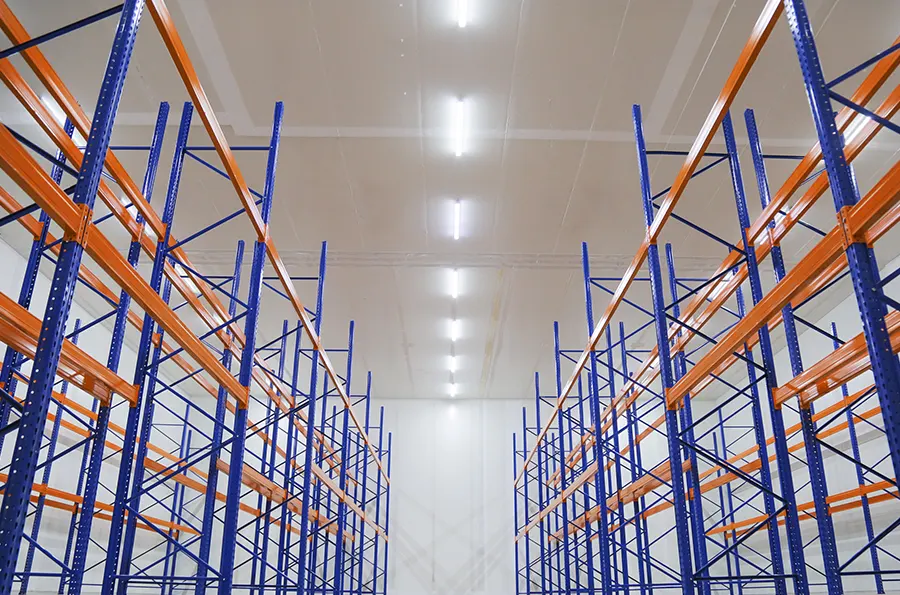
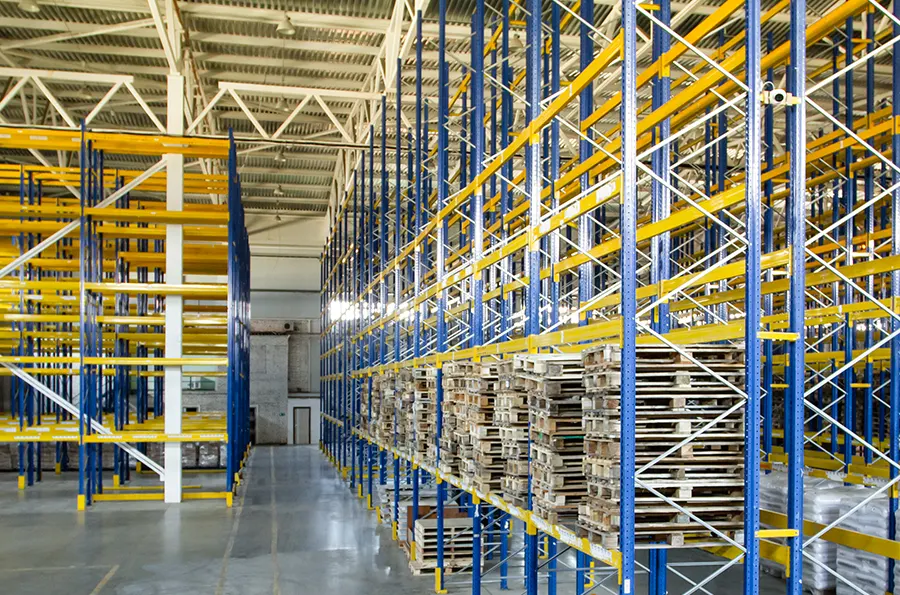
In-Rack Fire Protection Systems are specially engineered for high-piled and high-density storage environments where conventional ceiling-mounted sprinklers may not effectively control a fire at its early stage. This system is designed to deliver water directly inside storage racks, allowing rapid suppression at the point of fire origin.
By providing targeted fire protection within the rack structure, the In-Rack system significantly reduces the risk of fire spread, structural damage, and inventory loss, making it a critical solution for modern warehouse and logistics facilities.

How the In-Rack Protection System Works

The system consists of strategically installed sprinklers placed at multiple levels within the storage racks. When heat from a fire activates the sprinklers, water is discharged directly onto the burning materials, ensuring immediate control before the fire grows or spreads vertically.
This direct suppression mechanism improves system efficiency, reduces dependency on ceiling sprinklers alone, and enhances overall fire safety performance in tall storage configurations.

Key Advantages

In-Rack Fire Protection Systems offer several operational and safety benefits

Early Fire Suppression at Source

Controls fire in its initial stage, minimizing damage and downtime.

Enhanced Protection for High-Density Storage

Ideal for narrow aisle and high-rack warehouse layouts.

Reduced Fire Spread & Asset Loss

Prevents vertical and horizontal fire propagation within racks.

Compliance with Fire Safety Standards

Designed in accordance with NFPA and applicable fire safety norms.

Improved Safety & Business Continuity

Protects stored goods, infrastructure, and operational flow.

Typical Applications

In-Rack Protection Systems are widely used in facilities where stored materials present a high fire load or limited sprinkler effectiveness from ceilings:

Why Choose Our In-Rack Protection Solutions

Deb-Asish Fire Protection Systems Pvt. Ltd., we design and install In-Rack Fire Protection Systems based on site-specific risk assessment, storage configuration, and regulatory requirements. Our solutions are engineered to deliver reliable performance, seamless integration with existing fire protection infrastructure, and long-term operational safety.
]]>
https://debasishfire.com/fire-protection-systems/in-rack-protection-system/feed/ 0
Pre action protection system https://debasishfire.com/fire-protection-systems/pre-action-protection-system/ https://debasishfire.com/fire-protection-systems/pre-action-protection-system/#respond Fri, 02 Jan 2026 11:05:27 +0000 https://debasishfire.com/?p=989283

Pre Action Protection System

Pre-Action Protection System

Pre-Action Protection Systems are designed for facilities where accidental water discharge can cause significant damage to sensitive equipment and critical assets. Unlike conventional sprinkler systems, the piping network remains dry under normal conditions, eliminating the risk of unintended water leakage.
At Deb-Asish Fire Protection Systems Pvt. Ltd., Pre-Action Systems are engineered based on detailed risk assessment, system compatibility, and applicable fire safety standards. These systems are ideal for environments that demand high reliability, controlled activation, and enhanced protection.

How the Pre-Action Protection System Works

The system operates through a controlled, two-stage activation process. Initially, a fire detection device such as a smoke or heat detector identifies fire conditions and sends a signal to the fire alarm control panel.
Once the detection system confirms the fire, the pre-action valve opens, allowing water to fill the sprinkler piping. Water is discharged only when the sprinkler heads activate due to heat, ensuring accurate fire suppression while preventing accidental discharge.

Key Challenges

Prevention of Accidental Water Discharge

The system remains dry until a confirmed fire event occurs, significantly reducing the risk of water damage.

Enhanced Protection for Sensitive Areas

Ideal for electrical rooms, data centers, and areas containing high-value assets.

Integration with Fire Detection Systems

Works in coordination with automatic fire detection and alarm systems for reliable operation.

Compliance with Fire Safety Standards

Designed in accordance with NFPA guidelines and local fire authority requirements.

Improved Safety & Business Continuity

Minimizes operational downtime and asset loss while ensuring effective fire control.

Typical Applications

Pre-Action Protection Systems are commonly installed in locations where controlled fire suppression is essential:

Why Choose Our Pre-Action Protection Solutions

With decades of experience in fire protection engineering, Deb-Asish Fire Protection Systems Pvt. Ltd. delivers reliable Pre-Action solutions covering design, approval, installation, testing, and commissioning, ensuring compliance, safety, and long-term system performance.
]]>
https://debasishfire.com/fire-protection-systems/pre-action-protection-system/feed/ 0
ESFR System https://debasishfire.com/fire-protection-systems/esfr-system/ https://debasishfire.com/fire-protection-systems/esfr-system/#respond Fri, 02 Jan 2026 11:04:21 +0000 https://debasishfire.com/?p=989281

ESFR System

ESFR (Early Suppression Fast Response) System

ESFR (Early Suppression Fast Response) Systems are specially designed for high-challenge fire hazards in warehouses and storage facilities. These systems provide rapid fire suppression by delivering a large volume of water directly at the seat of the fire, preventing fire spread at an early stage.
Deb-Asish Fire Protection Systems Pvt. Ltd. designs ESFR systems to protect high-piled storage, rack storage, and large warehouse areas where conventional sprinkler systems may not be effective. The system eliminates the need for in-rack sprinklers in many applications, reducing installation complexity.

How the ESFR System Works

The ESFR system uses fast-response sprinklers with a high K-factor that activate quickly when exposed to heat from a developing fire. Upon activation, the sprinkler discharges a large quantity of water at high momentum.
This powerful water discharge penetrates the fire plume and directly suppresses the fire at its early stage, preventing horizontal and vertical fire spread within the storage area. The system is designed to control and suppress fires without relying on in-rack sprinkler protection.

Key Challenges

Early Fire Suppression

Rapid response and high water discharge help suppress fires at their initial stage.

Suitable for High-Piled Storage

Ideal for warehouses storing commodities at greater heights.

Elimination of In-Rack Sprinklers

Reduces system complexity, installation time, and maintenance requirements.

High Reliability & Performance

Engineered to deliver consistent and effective fire suppression.

Compliance with Fire Safety Standards

Designed as per NFPA and applicable fire authority guidelines.

Typical Applications

ESFR Systems are commonly used in high-storage and large-area facilities such as:

Why Choose Our ESFR Protection Solutions

Deb-Asish Fire Protection Systems Pvt. Ltd. offers end-to-end ESFR system solutions including design, approval, installation, testing, and commissioning, ensuring efficient fire suppression, regulatory compliance, and long-term operational safety.
]]>
https://debasishfire.com/fire-protection-systems/esfr-system/feed/ 0
Bladder tank Foam protection https://debasishfire.com/fire-protection-systems/bladder-tank-foam-protection/ https://debasishfire.com/fire-protection-systems/bladder-tank-foam-protection/#respond Fri, 02 Jan 2026 11:02:32 +0000 https://debasishfire.com/?p=989279

Bladder Tank Foam Protection

Bladder Tank Foam Protection System

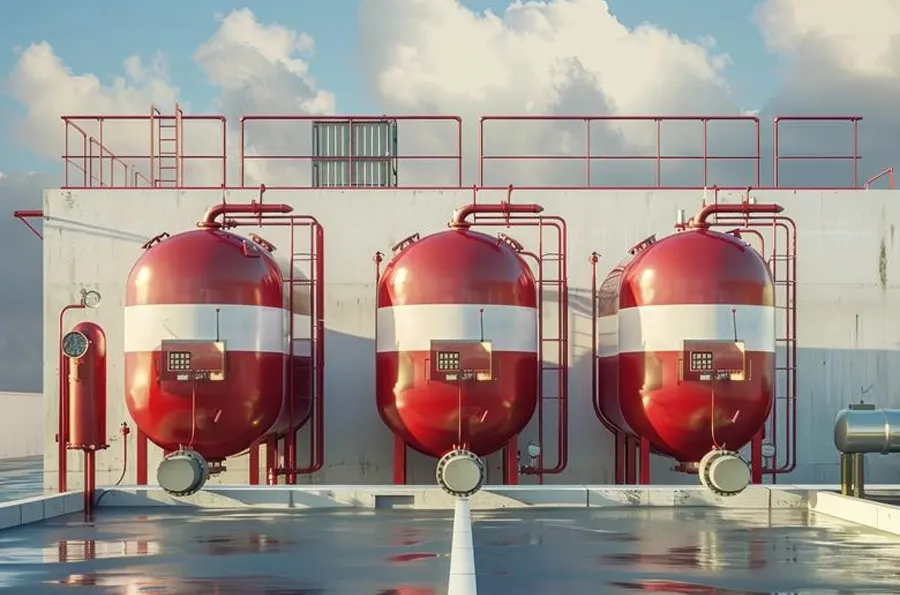
Bladder Tank Foam Protection Systems are widely used for effective fire protection in flammable liquid storage and processing areas. The system is designed to proportion foam concentrate accurately with water, producing a consistent foam solution for rapid fire suppression.
Deb-Asish Fire Protection Systems Pvt. Ltd. designs and installs bladder tank foam systems for industrial, oil storage, and high-risk applications. These systems are reliable, simple in operation, and suitable for facilities requiring dependable foam-based fire protection.

How the Bladder Tank Foam System Works

The system consists of a pressure vessel containing a flexible bladder filled with foam concentrate. When the system is activated, water enters the vessel and compresses the bladder, forcing the foam concentrate into the proportioning device.
The foam concentrate mixes with water at a predetermined ratio to form a foam solution, which is then discharged through foam makers, sprinklers, or monitors to effectively suppress flammable liquid fires.

Key Challenges

Accurate Foam Proportioning

Ensures consistent and precise mixing of foam concentrate with water.

Simple & Reliable Operation

Mechanical operation without external power ensures high reliability.

Suitable for Flammable Liquid Fires

Designed specifically for hydrocarbon and chemical fire risks.

Low Maintenance Requirements

Minimal moving parts reduce maintenance effort and downtime.

Compliance with Fire Safety Standards

Designed as per applicable NFPA standards and fire authority requirements.

Typical Applications

Bladder Tank Foam Protection Systems are commonly used in high-risk fire zones such as:

Why Choose Our Bladder Tank Foam Solutions

Deb-Asish Fire Protection Systems Pvt. Ltd. delivers complete bladder tank foam system solutions including design, supply, installation, testing, and commissioning, ensuring effective fire control, regulatory compliance, and long-term system reliability.
]]>
https://debasishfire.com/fire-protection-systems/bladder-tank-foam-protection/feed/ 0
Deluge Valve Installation https://debasishfire.com/fire-protection-systems/deluge-valve-installation/ https://debasishfire.com/fire-protection-systems/deluge-valve-installation/#respond Fri, 02 Jan 2026 11:01:54 +0000 https://debasishfire.com/?p=989272

Deluge Valve Installation

Deluge Valve Protection System

Deluge Valve Installation are designed for high-hazard areas where rapid fire spread is expected and immediate large-volume water discharge is required. In this system, all sprinklers or nozzles remain open, allowing simultaneous water discharge over the protected area.
Deb-Asish Fire Protection Systems Pvt. Ltd. designs deluge systems for industrial and special hazard applications where quick fire control is critical. These systems are highly effective in protecting life, property, and critical equipment in severe fire conditions.

How the Deluge Valve Installation Works

The deluge valve remains closed under normal conditions, preventing water from entering the piping network. When fire is detected by a detection system or manual activation device, the deluge valve opens instantly.
Once activated, water flows freely through the open nozzles or sprinklers, flooding the entire protected area. This immediate and uniform water discharge helps control and suppress rapidly spreading fires.

Key Challenges

Rapid Fire Suppression

Delivers large volumes of water instantly to control high-intensity fires.

Full Area Coverage

All nozzles discharge simultaneously for uniform protection.

Suitable for High-Risk Hazards

Ideal for areas with flammable materials or high fire load.

Integration with Detection Systems

Works seamlessly with automatic fire detection and manual activation.

Compliance with Fire Safety Standards

Designed as per NFPA and local fire authority requirements.

Typical Applications

Deluge Valve Installation are commonly installed in:

Why Choose Our Deluge Valve Installation

Deb-Asish Fire Protection Systems Pvt. Ltd. provides end-to-end deluge valve installation solutions covering design, approval, installation, testing, and commissioning, ensuring rapid fire response, regulatory compliance, and dependable system performance.
]]>
https://debasishfire.com/fire-protection-systems/deluge-valve-installation/feed/ 0
Oil tank protection system by MVWS system https://debasishfire.com/fire-protection-systems/oil-tank-protection-system-by-mvws-system/ https://debasishfire.com/fire-protection-systems/oil-tank-protection-system-by-mvws-system/#respond Fri, 02 Jan 2026 10:58:48 +0000 https://debasishfire.com/?p=989247

Oil Tank Protection System by MVWS System

Oil Tank Protection System by MVWS System

Oil Tank Protection Systems using the MVWS (Medium Velocity Water Spray) System are designed to protect oil storage tanks from fire exposure and radiant heat. The system provides continuous water spray over the tank surface, helping to cool the structure and prevent fire escalation.
Deb-Asish Fire Protection Systems Pvt. Ltd. designs MVWS-based oil tank protection systems for refineries, terminals, and industrial facilities where hydrocarbon fire risks are present. These systems play a critical role in safeguarding tanks, pipelines, and surrounding infrastructure.

How the Oil Tank Protection System Works

The MVWS system operates through a network of medium velocity spray nozzles installed around the oil tank surface. When activated through a detection system or manual control, water is discharged uniformly over the tank shell.
The continuous water spray cools the tank structure, reduces radiant heat, and prevents tank failure during external or adjacent fire scenarios. This controlled water application helps limit fire spread and enhances overall fire safety.

Key Challenges

Effective Tank Cooling

Reduces surface temperature and protects tank integrity during fire exposure.

Radiant Heat Protection

Minimizes heat transfer to adjacent tanks and structures.

Rapid System Activation

Ensures immediate water discharge in high-risk fire conditions.

High Reliability in Harsh Environments

Designed to perform consistently in industrial and outdoor conditions.

Compliance with Fire Safety Standards

Designed in accordance with NFPA and applicable fire authority guidelines.

Typical Applications

Oil Tank Protection Systems by MVWS are commonly used in:

Why Choose Our Oil Tank Protection Solutions

Deb-Asish Fire Protection Systems Pvt. Ltd. offers comprehensive MVWS oil tank protection solutions including system design, installation, testing, and commissioning, ensuring effective fire control, regulatory compliance, and long-term operational safety.

]]>
https://debasishfire.com/fire-protection-systems/oil-tank-protection-system-by-mvws-system/feed/ 0